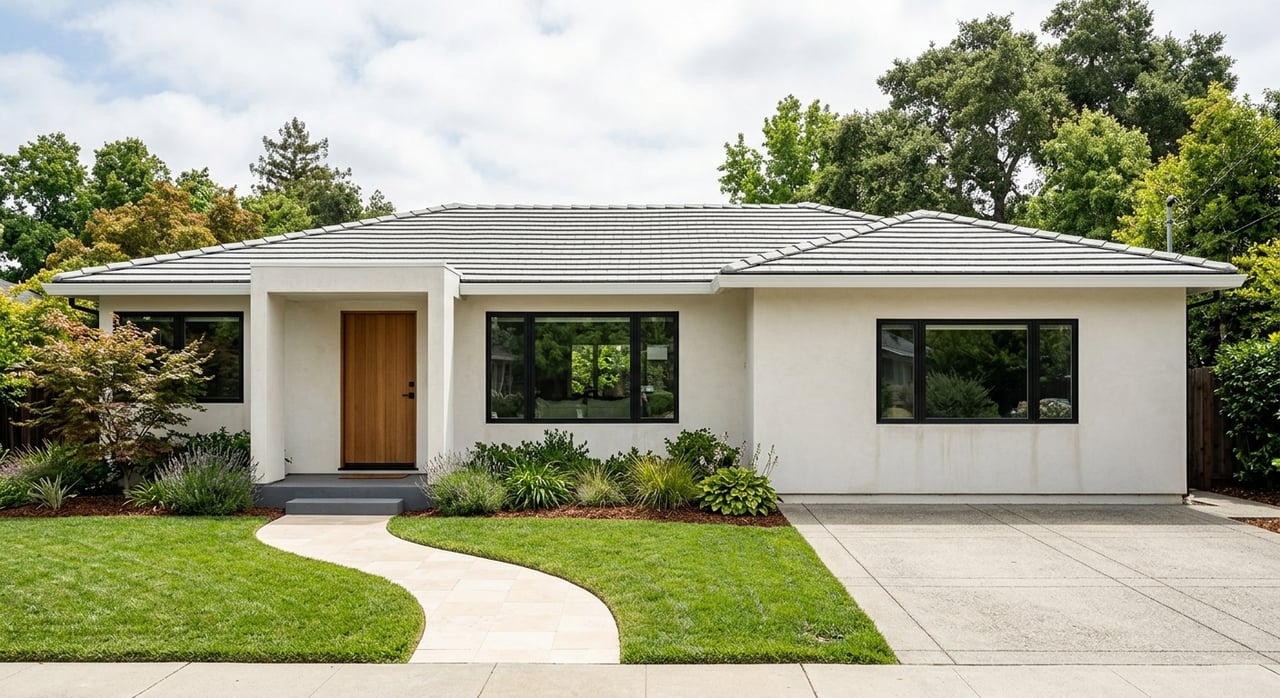
Wondering whether an HOA in Weston is a perk, a headache, or a little of both? That is a smart question to ask before you buy, especially in a city where most homes are located inside private developments with homeowners associations. If you understand what an HOA does, what it charges, and what rules come with ownership, you can make a more confident decision and avoid surprises after closing. Let’s dive in.
Why HOA living is so common in Weston
If you are buying in Weston, there is a strong chance the home will be part of an HOA. According to the City of Weston, most residences are located within private developments governed by homeowners associations, and those associations must register annually with the City Clerk.
That matters because the HOA is often part of everyday property ownership in Weston, not an occasional extra. In gated or private communities, the HOA typically maintains common-area infrastructure, roadways, and landscaping, while the city says it maintains a majority of the lakes and water bodies inside communities, though some are privately owned.
Another important point is that not every community association works the same way. In Florida, mandatory homeowners associations fall under one set of laws, while condominiums are governed separately, so you should confirm the property type before assuming the rules, fees, and records will be identical from one Weston listing to the next.
What HOA fees may cover
HOA fees are mandatory payments tied to ownership in the community. Florida law defines these assessments broadly, and they can include charges paid to the association, a common-area owner, or recreational facilities serving the neighborhood.
In practical terms, Weston HOA dues often help pay for items such as:
- Landscaping
- Private roads and gates
- Common-area maintenance
- Amenity operations
- Insurance
- Management services
- Reserve funding for future repairs or replacements
The exact mix depends on the community’s governing documents and annual budget. That is why it is so important to review the actual budget instead of relying on general assumptions about what the monthly or quarterly dues include.
Special assessments matter too
When you budget for a Weston home, do not stop at the regular HOA payment. Some communities may also have special assessments, and Florida law makes clear that buyers may owe association assessments along with possible assessments from a municipality, county, or special district in some situations.
Reserve funding is a big piece of this conversation. If reserves are not fully funded, the annual financial report must include a warning that future special assessments may result, which can be an important clue about the community’s financial health.
You should also know that unpaid assessments can become serious quickly. Florida law allows late charges, interest, lien claims, and foreclosure collection rights, and associations may also recover attorney fees in lien-enforcement actions.
What documents to review before closing
One of the best ways to protect yourself is to read the HOA documents carefully before you get too far into the purchase. Florida requires a disclosure summary before the contract is signed, and that summary tells you key facts, including that membership is mandatory, assessments are owed, covenants control the property, and special assessments may apply.
If that disclosure summary was not provided before contract execution, the buyer may have the right to void the contract within 3 days after receiving it or before closing, whichever comes first. That timeline is short, so it helps to review documents as early as possible.
Start with the governing documents
The declaration of covenants and any amendments are often the most important records to read. These documents usually control major topics like use restrictions, leasing limits, parking rules, architectural approval, and how future amendments can happen.
You should also review the bylaws and articles of incorporation. These records explain how the board is structured, how voting works, and how meetings and elections are handled.
Review rules that affect daily life
Current rules and architectural guidelines can tell you a lot about what living in the community will actually feel like. They may address exterior changes, parking, guest use, visible improvements, and hurricane-protection specifications.
If you are planning any updates after closing, this step is especially important. A community may have published standards that must be followed, and Florida law says architectural standards must come from the declaration or published guidelines and must be applied consistently.
Check the budget and financial records
A community’s budget and financial report can reveal whether the HOA looks stable or stretched. These records show annual operating expenses and may include reserve accounts for capital expenditures and deferred maintenance.
You should also look for reserve disclosures and any signs of underfunding. If the HOA has major projects coming up and limited reserves, that may increase the risk of future special assessments.
Look at minutes and account statements
Meeting minutes and current contracts can reveal issues that may not be obvious from the budget alone. You may spot pending repairs, service changes, enforcement trends, or recurring concerns from owners.
Current account statements are also useful because they can help confirm whether the seller is current on what is owed. That can reduce closing-day surprises and give you a clearer picture of the property’s status.
Ask for the estoppel certificate
The estoppel certificate is one of the most important items in the transaction. In Florida, it provides the closing amount for current assessments, special assessments, transfer or capital contribution fees, open violations, and insurance contact information.
This document helps verify exact amounts due before closing. If you are comparing multiple Weston communities, the estoppel can make the financial picture much clearer.
How HOA governance can affect your experience
A well-run HOA can support smooth community operations, but governance style matters. Florida law generally requires board meetings to be open to members, gives members the chance to speak on designated agenda items, and requires advance notice under the statutory timing rules.
If transparency matters to you, pay attention to how the association operates. It is reasonable to ask how often meetings are held, whether agendas are posted consistently, and whether minutes are easy to obtain.
Understand enforcement and fines
HOAs can enforce community rules, and Florida law allows reasonable fines for violations, generally up to $100 per violation unless the governing documents provide otherwise. Associations may also suspend use rights to common areas and facilities for noncompliance.
That does not mean every HOA is overly strict, but it does mean you should understand the enforcement process before buying. A quick read of the rules can tell you a lot about how the association handles parking, exterior changes, amenity use, and other common issues.
Amenities come with rules
Common areas and recreational facilities must be available to parcel owners and their invited guests for their intended use, although the HOA may adopt reasonable rules for that use. In other words, amenities can add real value, but they also come with guidelines.
Before you make an offer, make sure you know the limits tied to the features that matter most to you. If a pool, clubhouse, fitness space, tennis court, or guest access policy is a big part of your decision, review those rules early.
Smart questions to ask when buying in Weston
When you buy in an HOA community, the key question is not just is there an HOA? The better questions are about what the HOA maintains, what it restricts, what it charges, and how financially prepared it is for future expenses.
Here are some smart questions to ask during your due diligence:
- Is this property in a homeowners association or a condominium association?
- What do the regular assessments cover?
- Are reserves funded, and is there any warning about future special assessments?
- Are there current or pending special assessments?
- What restrictions apply to leasing, parking, or exterior changes?
- Are there open violations tied to the property?
- What fees are due at closing, including transfer or capital contribution fees?
- How accessible are meeting minutes, budgets, and other official records?
Florida law requires associations to keep official records for at least 7 years and make them available for inspection within 10 business days after a written request, generally within the county or within 45 miles of the community. For larger associations, many of the same records must also be posted on a website or app.
The bottom line for Weston buyers
Buying in Weston often means buying into an HOA, and that is not automatically good or bad. What matters is how that specific association operates, what it maintains, how strong its finances are, and whether its rules fit the way you want to live.
When you take time to review the disclosure summary, governing documents, budget, meeting records, and estoppel certificate, you put yourself in a much stronger position. That kind of preparation can help you avoid costly surprises and move forward with more confidence.
If you want clear, step-by-step guidance as you compare Weston communities and review HOA details, connect with Tashina Mckenzie for transparent support throughout your home search.
FAQs
What should buyers know about HOA living in Weston?
- Buyers should know that most Weston residences are in private developments governed by HOAs, and it is important to confirm what the association maintains, what it charges, what rules apply, and whether the property is part of an HOA or a condominium association.
What do HOA fees usually cover in Weston communities?
- HOA fees may help cover common-area upkeep, landscaping, private roads, gates, amenity operations, insurance, management, and reserve funding, but the exact line items depend on the community’s budget and governing documents.
What HOA documents should Weston homebuyers review before closing?
- Weston homebuyers should review the disclosure summary, declaration of covenants, bylaws, articles of incorporation, current rules and architectural guidelines, annual budget, financial report, reserve disclosures, meeting minutes, account statements, and the estoppel certificate.
What is an estoppel certificate in a Weston HOA purchase?
- An estoppel certificate is a document used before closing that shows the amounts currently due, including assessments, special assessments, transfer or capital contribution fees, open violations, and insurance contact information.
Can a Weston HOA issue fines or suspend amenity access?
- Yes, Florida law allows homeowners associations to levy reasonable fines for violations, generally up to $100 per violation unless the governing documents say otherwise, and associations may suspend use rights to common areas and facilities for noncompliance.
How can buyers evaluate an HOA in Weston before making an offer?
- Buyers can evaluate an HOA by reviewing its governing documents, financial reports, reserve disclosures, meeting minutes, enforcement patterns, amenity rules, and estoppel information to understand both the costs and the day-to-day expectations of ownership.