Trying to decide between downtown Fort Lauderdale and a more suburban part of the city? That choice can shape your daily routine, your budget, and the kind of home you buy. If you are weighing walkability against space, or condo living against a more traditional residential setting, this guide will help you compare the tradeoffs with more confidence. Let’s dive in.
Downtown vs Suburban Fort Lauderdale
If you are buying in Fort Lauderdale, it helps to know that “downtown” and “suburban” often mean very different living experiences. Downtown Fort Lauderdale is planned as a mixed-use urban center with housing, recreation, entertainment, commerce, and river activity all working together, according to the Downtown New River Master Plan.
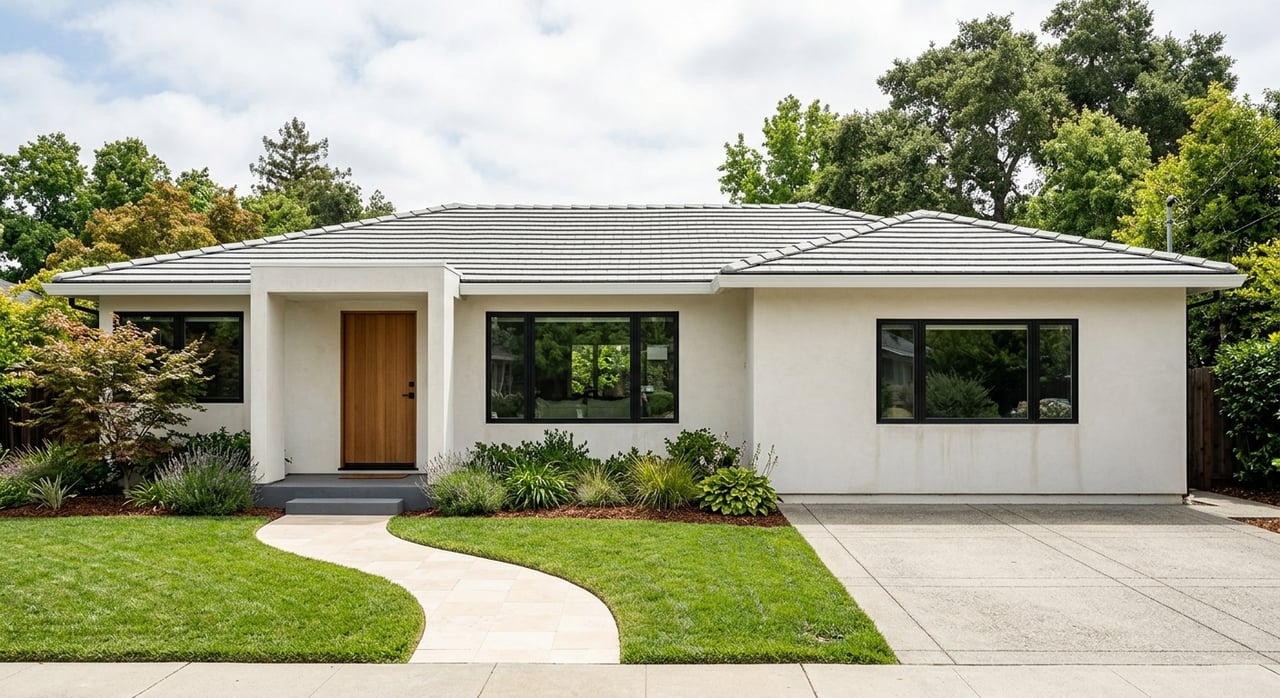
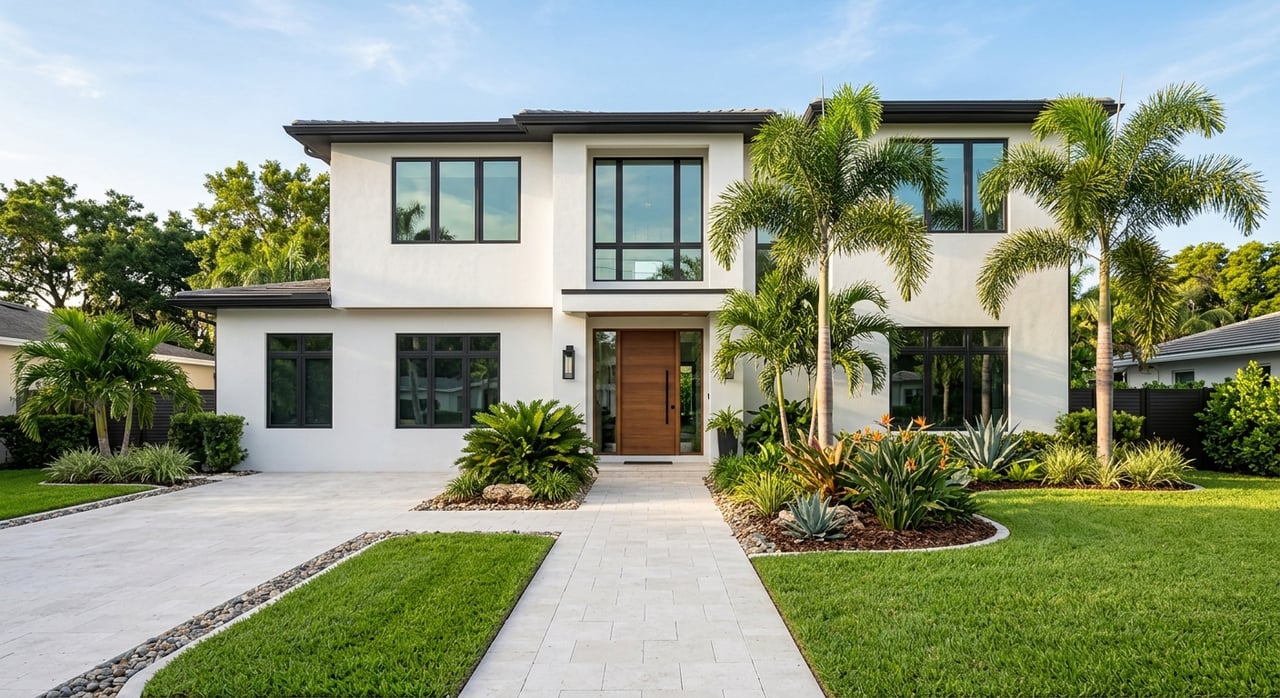
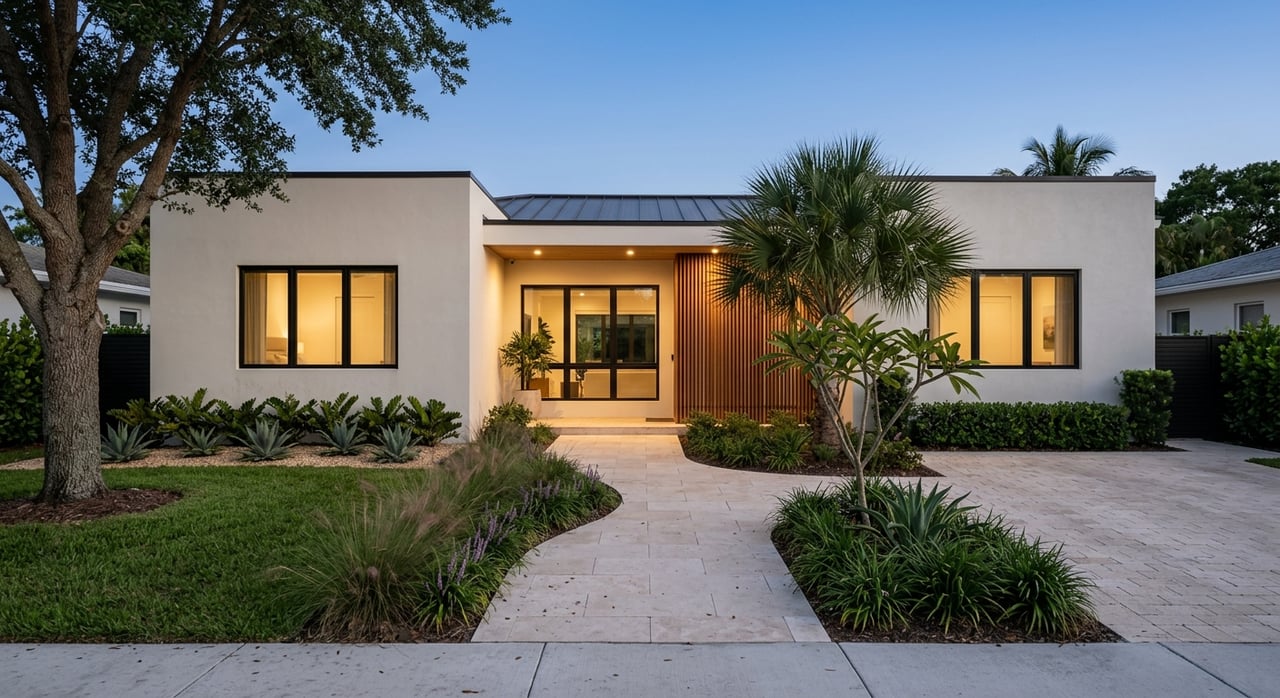
More residential parts of Fort Lauderdale tend to offer a different rhythm. Areas like Coral Ridge Country Club Estates, Victoria Park, and Rio Vista are described in city materials as primarily residential, with a stronger single-family home presence and more traditional neighborhood patterns. That difference matters if your priority is space, lot size, or a quieter street layout.
The numbers back up that contrast. The U.S. Census QuickFacts for Fort Lauderdale show the city is denser than Broward County overall, with 5,284.1 residents per square mile compared with 1,616.6 countywide. The city also has a lower owner-occupied housing rate than Broward County, which points to a larger mix of renters and attached housing within Fort Lauderdale.
What Daily Life Feels Like
Downtown lifestyle and convenience
If you want a more urban routine, downtown Fort Lauderdale stands out for access and activity. The city highlights Riverwalk, Las Olas, museums, theaters, and corporate offices as part of the downtown experience, and the transportation network includes Brightline, Tri-Rail, Broward County Transit, Amtrak, Water Taxi, bike share, and community shuttle options.
Location is a major part of the appeal. The city says downtown is within three miles of Port Everglades, Fort Lauderdale-Hollywood International Airport, I-95, I-595, Amtrak, Tri-Rail, and Brightline through its transportation and mobility resources. If you travel often or want multiple commute options, that kind of connectivity can be a real advantage.
Downtown also tends to feel easier on foot. Research included in your market snapshot notes that 33301 has a Walk Score of 71, which reflects a more walkable environment than many car-dependent areas. If being able to step out for dining, entertainment, or local errands matters to you, downtown may better match that goal.
Residential areas and car-oriented living
In more residential parts of Fort Lauderdale, daily life often centers more around driving. That does not mean long commutes by default. The city’s mean travel time to work is 26.1 minutes, which is lower than Broward County’s 29.1 minutes, based on Census QuickFacts.
Even so, neighborhood commuting patterns still show that most households in residential areas rely heavily on cars. In Coral Ridge Country Club Estates, for example, most commuters drive alone, while smaller shares walk, telecommute, or use transit. That suggests you may still find some convenience for local trips, but the overall setup is usually less centered on walkability than downtown.
Housing Types You Will See
Downtown housing mix
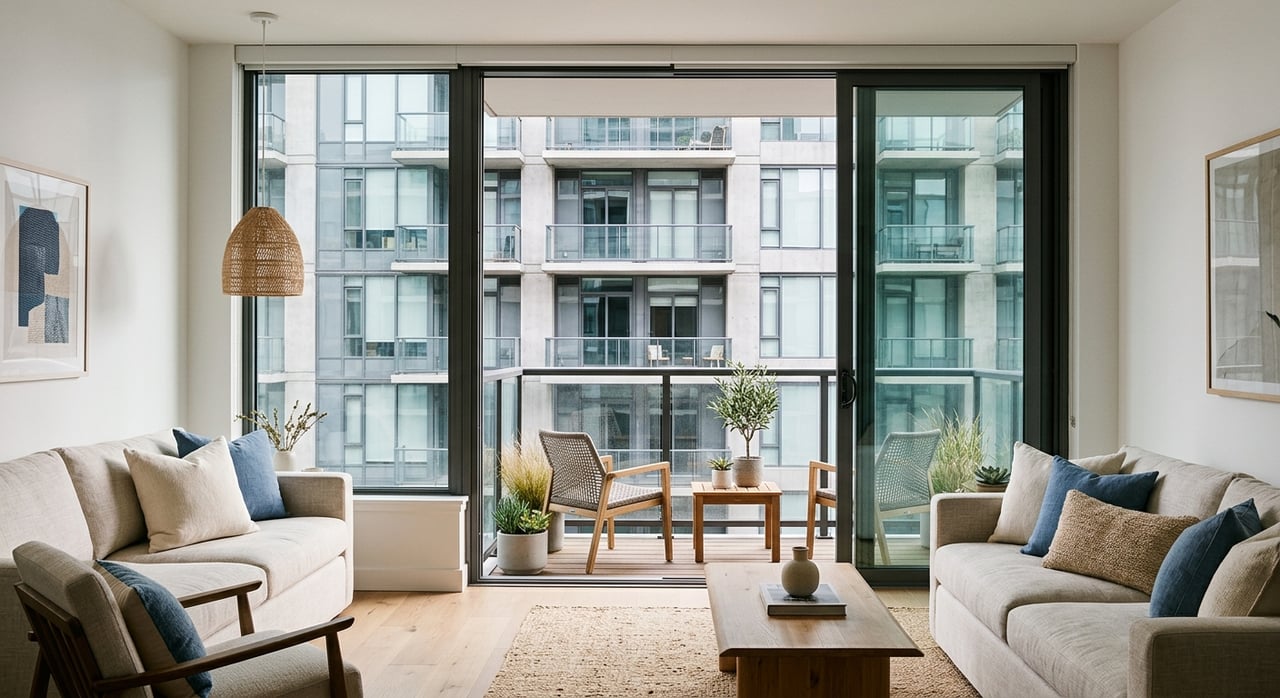
Downtown Fort Lauderdale generally offers a higher-density housing environment. Based on the city’s planning documents and neighborhood market snapshots referenced in your research, the area has more attached housing, more rentals, and more mixed-use development than outlying residential areas.
That can be a good fit if you want lower exterior maintenance or prefer condo-style living near restaurants, offices, and entertainment. It can also be helpful if you are comparing ownership options that put lifestyle and location ahead of yard space.
Suburban and residential housing mix
In more suburban-feeling parts of Fort Lauderdale, you are more likely to see a stronger single-family home presence. The city describes Coral Ridge Country Club Estates as largely single-family with some multi-family homes, while a city survey characterizes Victoria Park as primarily residential, with many original homes replaced by newer and larger single-family houses.
Rio Vista is another established residential area identified in city materials. If you picture a home search focused on detached houses, more traditional blocks, or a less dense setting, these types of neighborhoods may line up better with what you want.
Price Does Not Follow One Simple Rule
A common assumption is that downtown will always cost more and suburban areas will always cost less. In Fort Lauderdale, the data shows it is not that simple.
According to the Redfin Fort Lauderdale housing market snapshot, the citywide median sale price was $580K in March 2026. In 33301, which includes downtown Fort Lauderdale, the median sale price was $630K. That is higher than the citywide figure, but it is far from the only pricing story in town.
Neighborhood-level numbers from the Realtor.com 33304 market page show a wide spread within Fort Lauderdale. Downtown Fort Lauderdale is listed at a median of $769K, while Victoria Park is $959K, Lake Ridge is $862.5K, and Poinsettia Heights is $1.05M. At the same time, Harbordale is listed at $350K and Middle River Terrace at $435K.
That means you should avoid thinking in simple labels. A close-in residential neighborhood can be pricier than downtown, and an inland option can be more affordable than either. In this market, housing type, exact location, and proximity to water or urban amenities all matter.
Current Market Conditions Favor Buyers
If you are buying now, the broader market setup may give you more room to negotiate than you expect. Redfin reports Fort Lauderdale homes taking about 105 days to sell citywide, and homes in 33301 averaging about 5% below list price.
The buyer-friendly pattern shows up in other pockets too. Realtor.com classifies 33304 as a buyer’s market, with homes selling for 5.86% below asking on average and a median of 99 days on market. In inland 33311, the median listing price is $390K with 81 days on market.
For you, that can mean more time to compare options and ask better questions before making a decision. It does not remove competition from every listing, but it does suggest buyers may have more leverage than they would in a fast, seller-driven market.
Risk Factors to Compare
Flood risk downtown
Price and lifestyle are important, but due diligence matters too. One downtown-specific factor in your research is flood exposure.
Redfin’s 33301 market page labels the zip code a major flood-risk area, noting that 91% of properties are likely to be severely affected over the next 30 years. If you are considering downtown Fort Lauderdale, you will want to look closely at building-specific details, insurance considerations, and any risk-related costs tied to the property.
Property-specific review matters everywhere
No matter where you buy, the right choice comes down to more than just a neighborhood name. A condo downtown and a single-family home in a residential area come with different maintenance patterns, ownership costs, and long-term considerations.
This is where a step-by-step approach helps. Comparing homes by total monthly cost, commute fit, property condition, and long-term goals often gives you a clearer answer than focusing on list price alone.
Which Option Fits You Best?
Downtown Fort Lauderdale may fit you better if you want:
- More walkability in your daily routine
- Easier access to rail, transit, and major transportation links
- A mixed-use environment near dining, offices, and entertainment
- A housing search focused more on condos or attached homes
A more suburban or residential part of Fort Lauderdale may fit you better if you want:
- A stronger single-family home mix
- More traditional residential street patterns
- A lower-density setting
- A search that prioritizes space and a more neighborhood-centered feel
The right answer depends on how you want to live, not just what you want to spend. Some buyers value being close to Las Olas, transit, and downtown activity. Others would rather trade some walkability for a more residential setting and a different housing mix.
How to Make the Decision
If you are still torn between downtown and suburban Fort Lauderdale, try comparing each option through these four filters:
- Lifestyle: Do you want daily walkability, or do you prefer a quieter residential setup?
- Housing type: Are you open to attached living, or do you strongly prefer a detached home?
- Budget: Are you comparing similar property types, or very different ones?
- Risk and costs: Have you reviewed flood exposure, insurance, HOA fees, and maintenance expectations?
When you look at the decision this way, the best fit usually becomes clearer. You are not just buying a home. You are choosing how you want your everyday life to work.
If you want help comparing Fort Lauderdale neighborhoods, condo options, or residential homes in Broward County, Tashina Mckenzie can guide you with clear, practical advice so you can move forward with confidence.
FAQs
Is downtown Fort Lauderdale more expensive than suburban Fort Lauderdale?
- Not always. Market data in the research shows major price variation across Fort Lauderdale, and some residential neighborhoods list above downtown while some inland areas are priced lower.
What kind of homes are common in downtown Fort Lauderdale?
- Downtown Fort Lauderdale generally has a higher-density housing mix with more attached housing, rentals, and mixed-use development than more residential parts of the city.
What kind of homes are common in residential Fort Lauderdale neighborhoods?
- Residential neighborhoods such as Coral Ridge Country Club Estates, Victoria Park, and Rio Vista are described in city materials as more residential in character, with a stronger single-family home presence.
Is Fort Lauderdale a buyer’s market right now?
- Recent research snapshots suggest many parts of Fort Lauderdale are buyer-friendly, with longer days on market and average sales below asking price in several areas.
What should buyers consider about flood risk in downtown Fort Lauderdale?
- Research for 33301 identifies significant flood exposure, so buyers should pay close attention to property-specific due diligence, including building details and related ownership costs.
Is downtown Fort Lauderdale easier for commuting without a car?
- Downtown has broader transportation access than many residential areas, including Brightline, Tri-Rail, Broward County Transit, Water Taxi, bike share, and proximity to major highways and the airport.