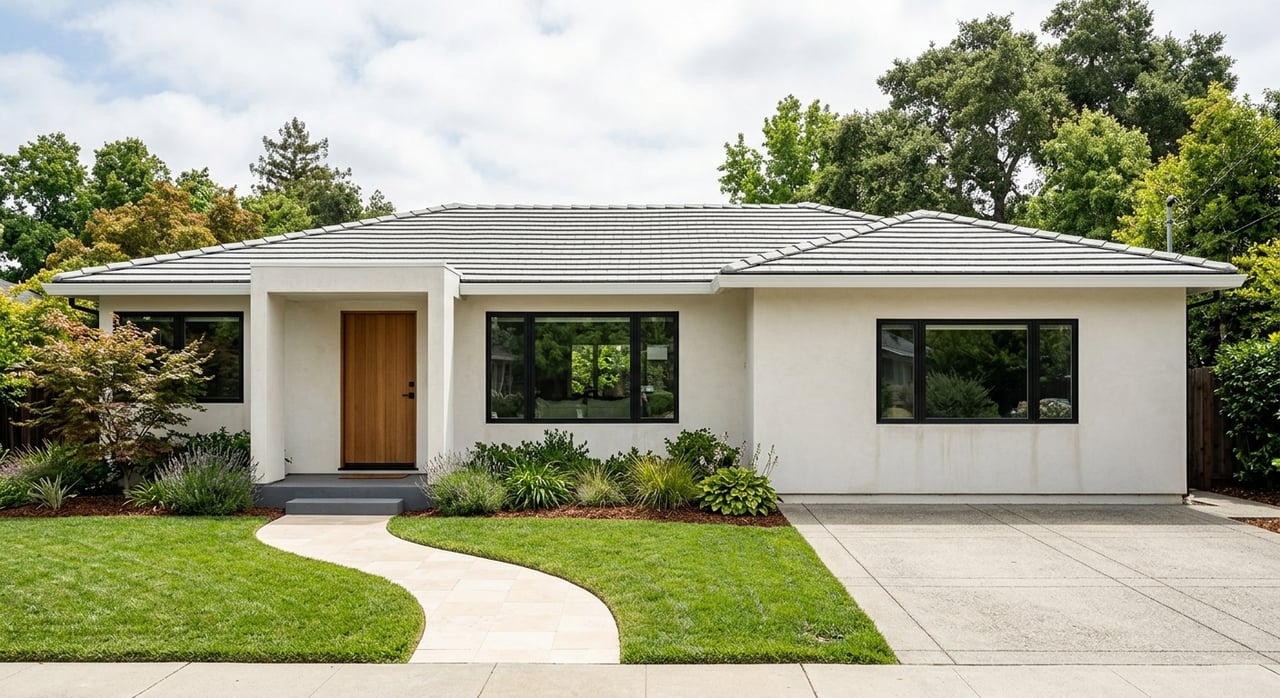
If you only know Miami Gardens from stadium traffic and big events, you are missing the everyday picture. For many buyers and renters, the real question is not what happens on game day, but what daily life feels like the rest of the week. If you are considering a move here, this guide will help you understand how Miami Gardens works as a place to live, commute, run errands, and enjoy your neighborhood. Let’s dive in.
Miami Gardens at a glance
Miami Gardens is a large residential city in Miami-Dade County with an estimated 113,579 residents in 2025 and 35,118 households. The average household size was 3.19, which points to a city with a strong residential base and a range of household types.
The city is also diverse by age and background. According to city data, 22.7% of residents are under 18, 16.6% are 65 and over, 38.7% are foreign-born, and 41.7% speak a language other than English at home. That mix helps shape a city that feels active, established, and connected to many different lifestyles.
Housing in Miami Gardens
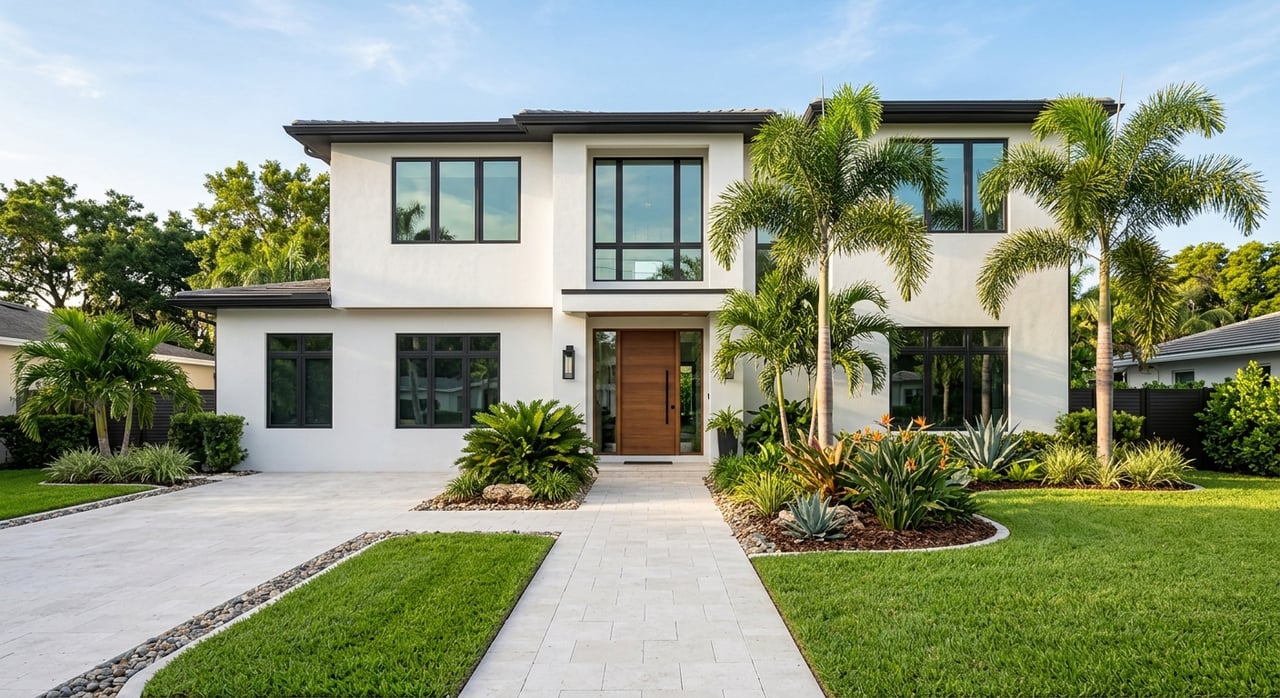
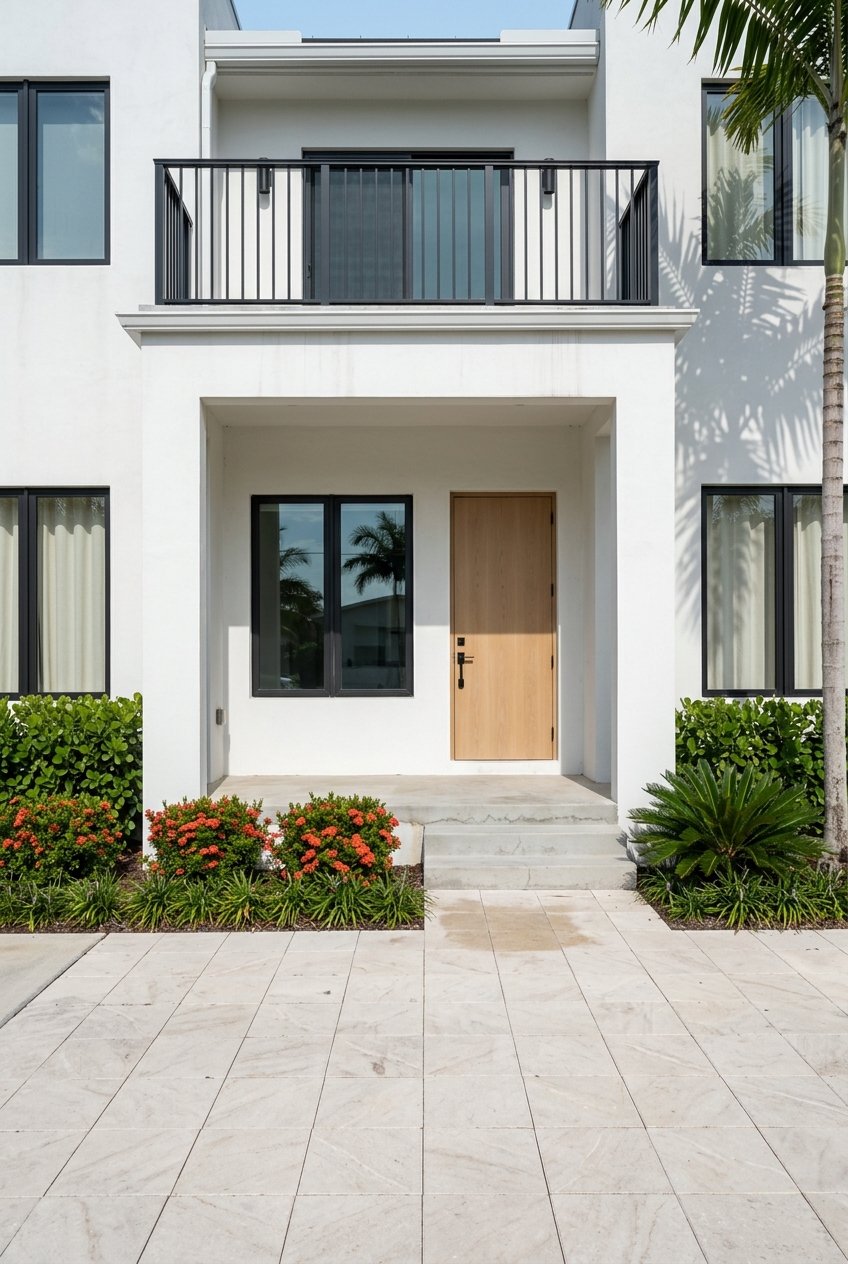
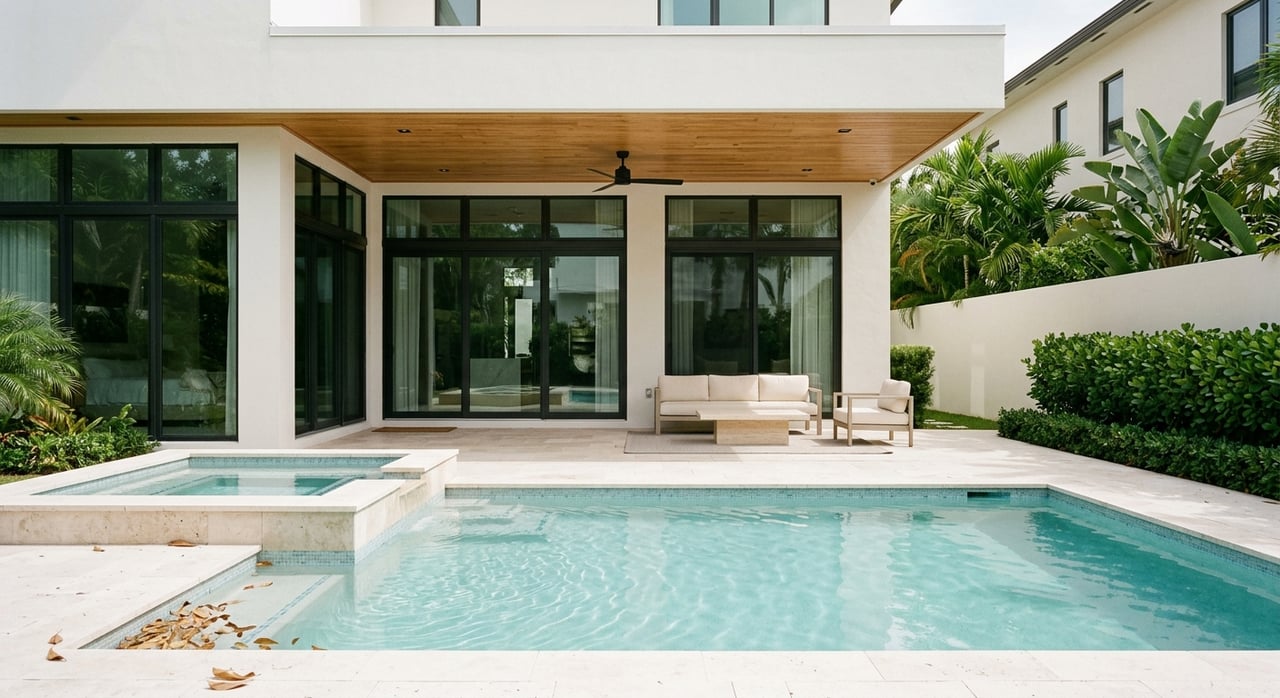
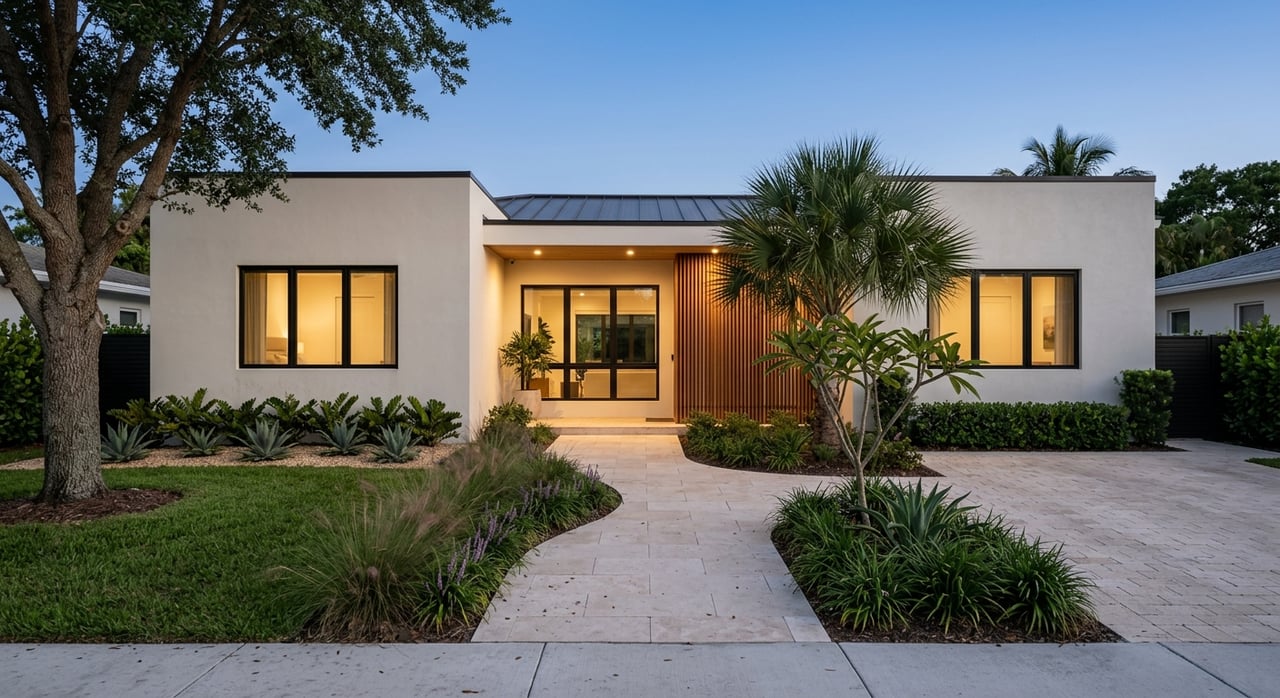
Miami Gardens is not a one-note housing market. City land-use policy is designed to preserve neighborhood areas while also allowing supporting commercial and office uses, along with a variety of housing types and densities.
That matters if you are trying to match your home search to your lifestyle and budget. You are looking at a city with established residential neighborhoods, a solid owner base, and additional multifamily development that adds to the housing mix over time.
Owners and renters both play a role
The owner-occupied rate in Miami Gardens was 64.4%. The median owner value was $378,500, and the median gross rent was $1,787.
Those numbers show a city where both homeownership and renting are part of everyday life. If you are buying, that can mean a mix of long-term owners and newer inventory options. If you are renting, it means Miami Gardens is not treated as an afterthought in the local housing conversation.
New housing supply is part of the story
Recent city development reporting points to more rental housing coming online or being planned, including Laguna Gardens Gateway Apartments and a Miami Gardens Multi-Family Mid-Rise. That adds another layer for people who want flexibility before buying or who are comparing rental options within Miami-Dade.
From a real estate perspective, this gives you more than one path into the area. You may start as a renter, move into ownership later, or compare different property types based on commute, space needs, and budget.
Neighborhood feel beyond the headlines
One of the most useful ways to understand Miami Gardens is to think of it as neighborhood-centered and corridor-driven. In simple terms, that means daily life often revolves around residential pockets, nearby parks, and the major roads where shopping, dining, and services cluster.
Miami Gardens does not read like a traditional downtown-centered city. Instead, convenience often depends on how close you are to parks, transit links, and key commercial corridors. If you are house hunting, location inside the city can make a big difference in how easy your weekly routine feels.
Parks and recreation in daily life
Parks are a big part of the everyday rhythm here. The city’s Parks and Recreation Department focuses on safe and inclusive parks, trails, and recreation facilities, and the network includes AJ King Park, Andover Park, Betty T. Ferguson Recreational Complex, Bunche Park, Cloverleaf Park, Dr. Lester Brown Park, Walt Frazier Park at Carol City, Norwood Park, Rolling Oaks Park, Scott Park, and Vista Verde.
That wide park network gives residents more than just green space. It creates practical places for exercise, recreation, youth programs, and community gatherings throughout the year.
Parks do more than provide open space
Miami Gardens uses its public spaces in an active way. City calendar listings in 2026 included events such as a fitness challenge kick-off, health fair, spinning events, table-talk sessions, hurricane preparedness distribution events, Juneteenth celebrations, back-to-school physicals, and jazz programming.
These events were held at places like Betty T. Ferguson Recreational Complex, Bunche Park, Walt Frazier Park, Scott Park, and Rolling Oaks. That tells you the parks system functions as part of daily community life, not just as a backdrop.
Programs support families and residents
The Parks and Recreation Department also notes after-school and camp programs supported in part by The Children’s Trust. For households comparing communities, that can be an important piece of the lifestyle picture.
When you look at a home in Miami Gardens, it helps to think beyond the property itself. Nearby public spaces and city programming can affect how connected and convenient your day-to-day life feels.
Community events and civic life
Miami Gardens has a steady civic rhythm that goes beyond major entertainment events. The city’s Learn About page lists Jazz in the Gardens alongside programs like Express Trolley and Keep Miami Gardens Beautiful, which shows that city identity includes both culture and practical public services.
The public calendar also regularly includes council meetings, CRA meetings, workshops, and service-oriented events. For residents, that means there are recurring ways to stay informed and involved in what is happening locally.
This matters if you value a place with visible civic activity. Even if you never attend every event, living in a city with a regular public calendar can create a stronger sense of connection to where you live.
Shopping, errands, and business corridors
Miami Gardens handles a lot of everyday commerce through major corridors instead of a single walkable downtown core. City land-use policies describe commerce areas as places for retail services, restaurants, office uses, and other business activity along major arterial roads.
In practice, that means errands and shopping often cluster in a few key areas. If you are choosing between homes, access to those corridors may affect how quickly you can handle groceries, services, dining, and other daily needs.
Key corridors shape convenience
The city’s 2024 financial reporting says the Palmetto Expressway corridor is a hub for the furniture trade and U.S. 441 supports a strong automotive trade presence. Recent and planned projects also include Pollo Campero, a FPL Customer Service Center, Hiram Village, Iberia Foods, and an El Dorado furniture retail development.
That mix suggests a city that is actively managing growth and redevelopment while keeping commercial activity concentrated in practical, visible locations. For you, that can translate into convenience, especially if your home search includes quick road access.
Commuting in Miami Gardens
Commute time is a real part of daily life here. In the 2020-2024 American Community Survey, the mean travel time to work was 32.1 minutes.
That does not tell the whole story for every household, but it does show that transportation planning matters when choosing where to live. If you are comparing properties, it is smart to think about your most common routes before you focus only on square footage or finishes.
Roads and buses matter
Miami Gardens sits between Miami and Fort Lauderdale and is intersected by major transportation corridors. Miami-Dade bus service reaches the city through routes including 9 and 9A via Miami Gardens Drive, 27 and 27A via NW 27 Avenue, 32 to Earlington Heights via Opa-Locka and 32 Avenue, 77 via NW 7 Avenue, and 183 via Miami Gardens Drive.
For some residents, that creates useful options beyond driving alone. Even if you primarily use a car, nearby bus access can still be a plus for household flexibility.
Free local transit adds options
The city also offers the free Express Trolley and Freebee service. According to the city, anyone can ride the trolley without paying.
The 2025 ridership report showed 35,608 annual rides on Route A, 17,435 on Route B, 39,495 on Route C, and 25,962 on Route D. Freebee launched in December 2025 with six on-demand vehicles and completed 3,780 rides while carrying 5,200 passengers that month.
These numbers matter because they show local transit is actually being used. If you are trying to reduce short car trips or want another mobility option nearby, that can be a meaningful lifestyle benefit.
Game day is real, but not the whole story
It would be unrealistic to ignore how major events affect travel patterns in Miami Gardens. Miami-Dade County announced official Game Day Express shuttle hubs for FIFA World Cup 2026 matches hosted at the stadium, which shows that event-day planning is a real part of the transportation picture.
Still, game day is only one part of the city’s identity. The broader day-to-day story is residential neighborhoods, active parks, public programming, corridor shopping, and a layered transportation system that includes roads, buses, trolley service, and on-demand rides.
What this means for buyers and renters
If you are thinking about a move to Miami Gardens, the biggest takeaway is simple: your experience may depend a lot on where you land within the city. Proximity to major roads, transit routes, parks, and shopping corridors can shape your daily routine as much as the home itself.
That is why a local, property-by-property approach matters. The right home for you is not just about bedrooms and bathrooms. It is also about how easily you can commute, enjoy nearby amenities, and settle into the pace of everyday life.
Whether you are buying your first home, planning a move-up purchase, or weighing rental options in Miami-Dade, it helps to have clear local guidance. If you want help comparing neighborhoods, commute access, and property types in Miami Gardens, connect with Tashina Mckenzie for a relationship-first conversation and practical next steps.
FAQs
What is everyday life like in Miami Gardens?
- Everyday life in Miami Gardens centers on residential neighborhoods, parks, community events, shopping corridors, and transportation options beyond major stadium events.
Is Miami Gardens mainly a homeowner or renter city?
- Miami Gardens has a mixed housing profile, with a 64.4% owner-occupied rate and additional multifamily development adding rental options.
Are there parks and recreation options in Miami Gardens?
- Yes, the city has a broad park network that includes Betty T. Ferguson Recreational Complex, Bunche Park, Rolling Oaks Park, Scott Park, Walt Frazier Park at Carol City, and several other public spaces.
How do people get around Miami Gardens?
- Residents use major roads, Miami-Dade bus routes, the free Express Trolley, and the city’s Freebee on-demand service for local trips.
Does stadium traffic define living in Miami Gardens?
- No, although major events can affect traffic patterns, daily life in Miami Gardens is shaped more by neighborhood living, local parks, community programs, and corridor-based shopping and services.
What should homebuyers look for in Miami Gardens?
- Homebuyers should pay close attention to a property’s access to major corridors, parks, public transit, and everyday shopping areas because those factors can strongly affect daily convenience.